The theory behind Play First is heavily influenced by Discover Golf. To learn more about Discover Golf, go here.
Play First Golf offers Junior golf training programs in British Columbia focused on fun, skill development, and confidence-building for young players. At Play First Golf, Play is our First priority. We use engaging and interactive games from Discover Golf to teach kids and even adults through play and friendly competition. Play is essential for human growth and maintenance, and it drives how we teach this great game. Here are some reasons why we believe in teaching through play:
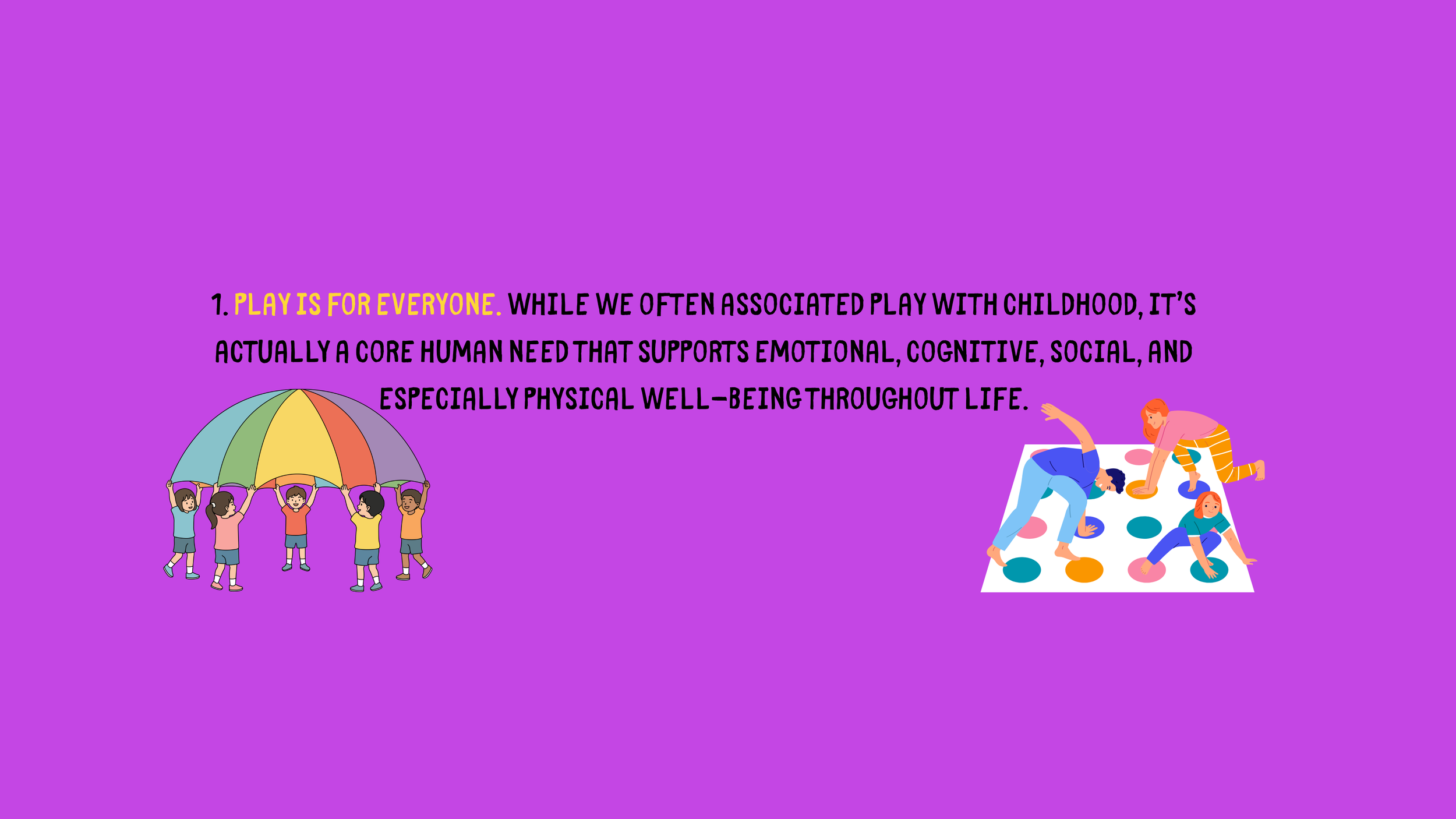
Play is for everyone. While we often associated play with childhood, it’s actually a core human need that supports emotional, cognitive, social, and especially physical well-being throughout life.
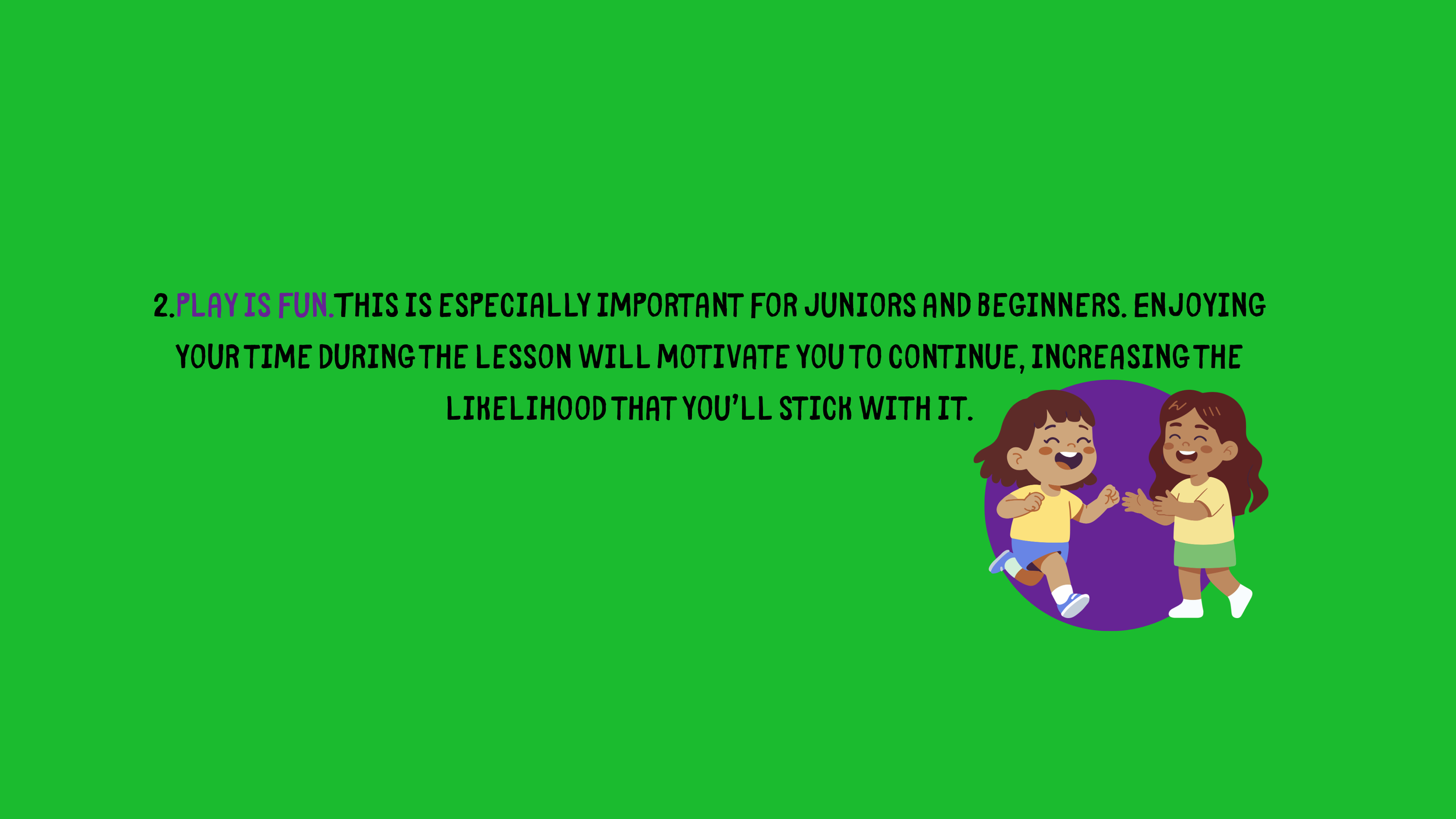
Play is fun. This is especially important for juniors and beginners. Enjoying your time during the lesson will motivate you to continue, increasing the likelihood that you’ll stick with it.
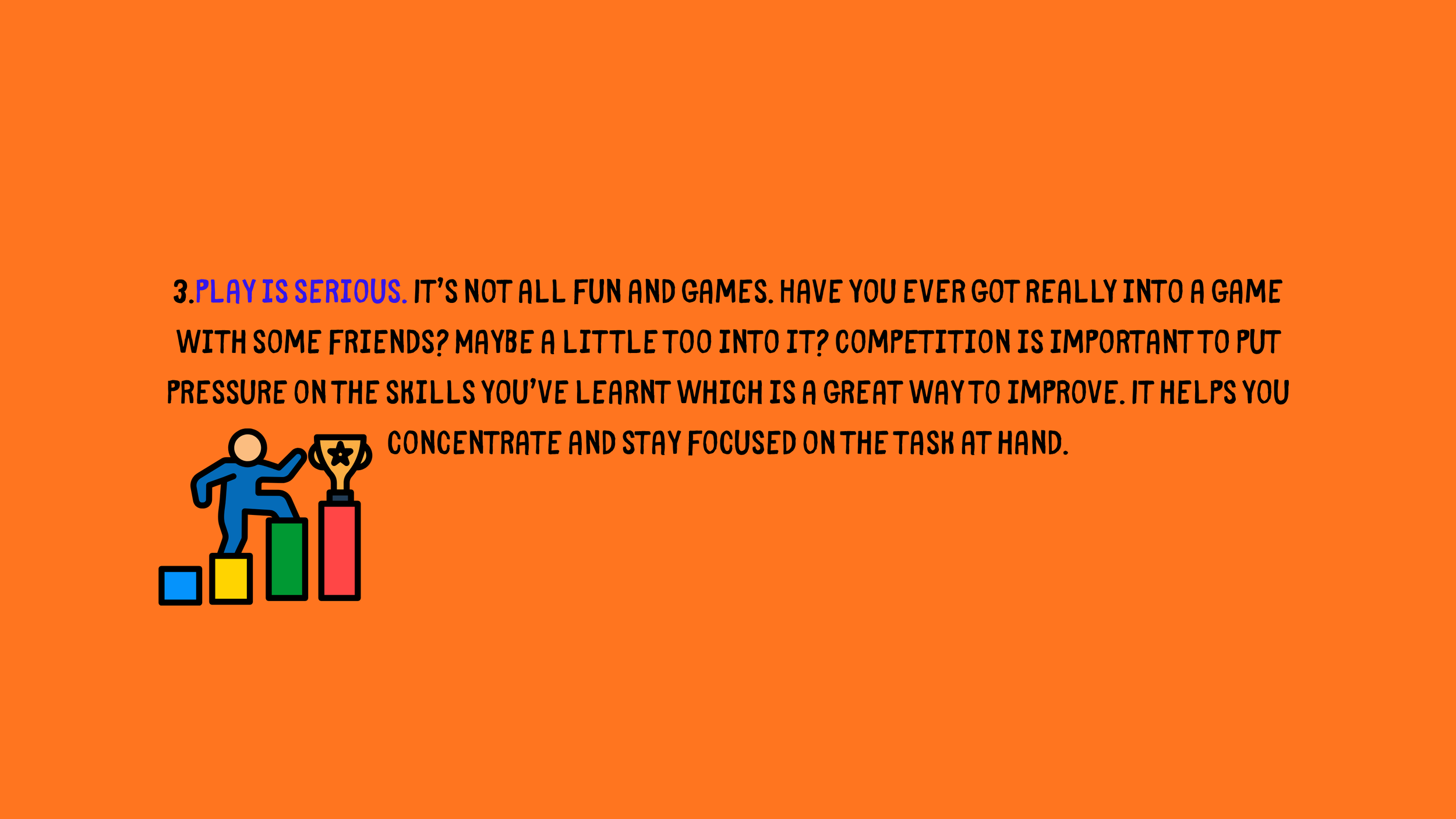
Play is serious. It’s not all fun and games. Have you ever got really into a game with some friends? Maybe a little too into it? Competition is important to put pressure on the skills you’ve learnt which is a great way to improve. It helps you concentrate and stay focused on the task at hand.
Play is implicit learning. Humans learn best implicitly: focusing on what to do and through trial and error learning how to do it. Implicit learning is critical in gameplay and helps people learn skills naturally through experience and repetition. Not all learning needs to be directly taught, sometimes it just needs to be experienced.
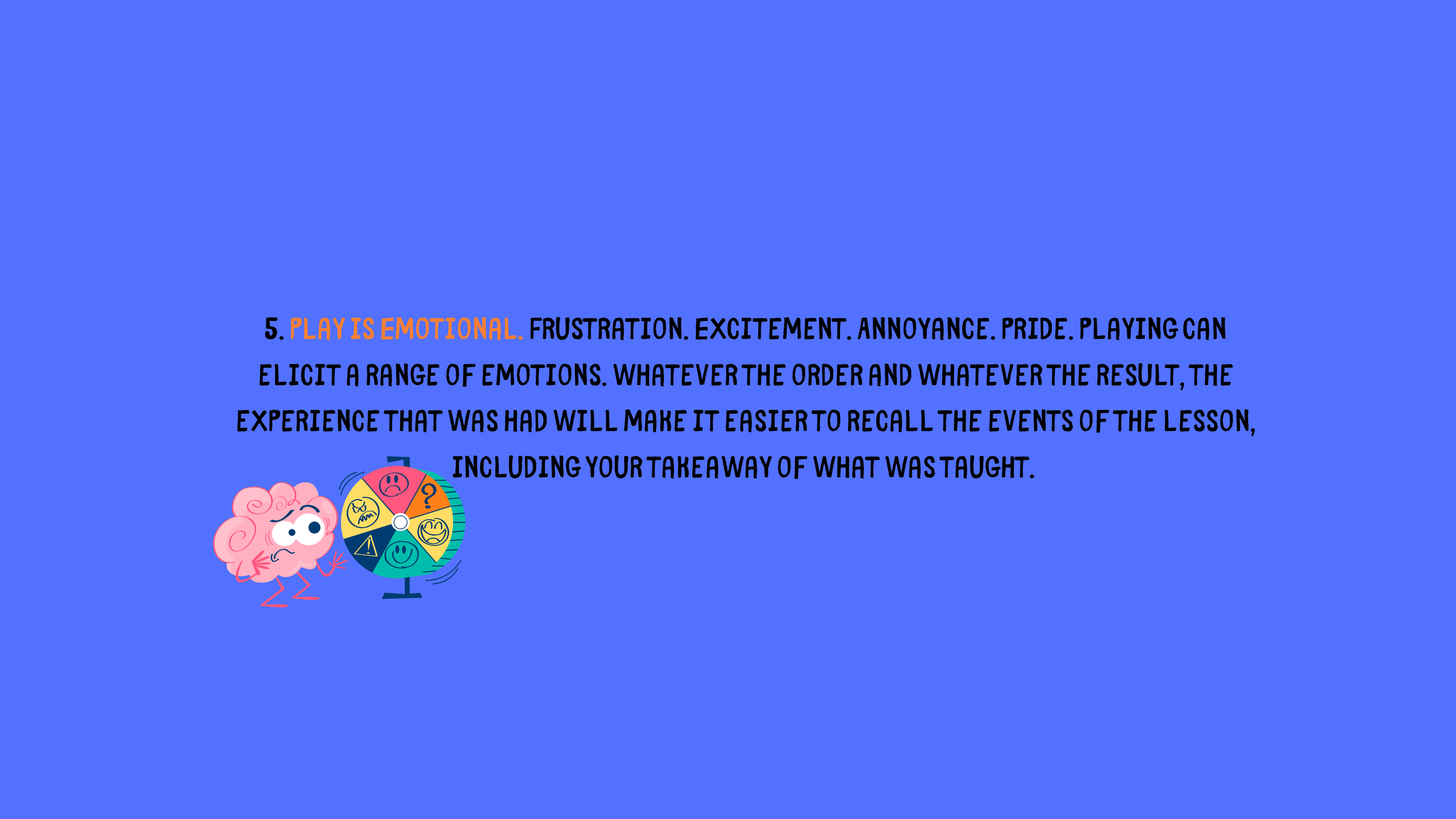
Play is emotional. Frustration. Excitement. Annoyance. Pride. Playing can elicit a range of emotions. Whatever the order and whatever the result, the experience that was had will make it easier to recall the events of the lesson, including your takeaway of what was taught.
Play is therapeutic. Play offers a safe, symbolic space to express these emotions, helping to reduce stress and promote relaxation. It decreases cortisol (stress hormone) and boosts dopamine and endorphins which are tied to pleasure and reward.
Play builds confidence. Play can offer low-stake environments to test your skills and take risks. Going from struggling to fine-tuning a skill through play can help you internalize the belief that you can improve through effort and helps build resilience.